
Power outages can stop your home from running the way it should. Heating and cooling systems shut down. Food in the fridge spoils. Daily routines come to a halt while you wait for service to return.
If you live in a 3,000-square-foot home, a small portable unit won’t cover all your appliances. You need backup power that can support major systems all at once. A Generac generator offers reliable coverage, giving your home the support it needs when the grid fails.
This guide explains what size standby generator you need, important features to compare, and typical installation costs.
Why Consider a Generac Generator for a 3,000 Sq Ft Home?
A larger home typically runs several systems at once. Heating, cooling, refrigeration, and lighting all rely on consistent electrical power. When power outages happen, these systems shut down. A standby generator restores power automatically and helps keep daily routines intact.
Generac generators support full coverage. They power HVAC systems, kitchen appliances, sump pumps, and other essential equipment without interruption.
Unlike portable generators, these systems connect directly to your electrical panel. They start automatically using an automatic transfer switch. Most models also include remote monitoring. You can track performance, schedule maintenance, and receive alerts using a phone or computer.
If your home is around 3,000 sq ft, you’ll need consistent power capacity. Generac offers several models that handle whole-house demand. These units provide reliable backup power and reduce downtime during outages.
How to Choose the Right Generator Size
A 3,000 sq ft home runs multiple systems at once. That includes HVAC units, refrigerators, lights, and possibly electric cooking equipment.
If the utility grid fails, these systems stop unless you have backup power. Most homeowners in this range look at 15 to 22 kilowatt models. These home generators can support the entire home in most cases.
Whole Home Coverage vs. Select Circuits
If you want to power the entire house without interruption, aim for a unit near 22 kW. This supports air conditioners, electric ranges, and sump pumps.
Smaller generators around 15 kW may work if you’re backing up only:
- One HVAC system
- A refrigerator or freezer
- Lighting in key areas
- A sump pump or well pump
- Select outlets for device charging
This setup uses a transfer switch to direct power only to chosen circuits. It can reduce generator cost and fuel use, but limits coverage.
What Affects Generator Sizing?
Generator size depends on your power needs and available fuel. Homes with natural gas may require different models than those using propane.
Some systems include intelligent load management. This allows the generator to prioritize high-demand appliances during startup.
If you plan future upgrades or electric vehicle charging, sizing slightly above your current usage adds flexibility. You’ll also want to factor in operational costs, installation costs, and any local noise ordinances that may apply.
A licensed electrician or local Generac dealer can inspect your home and give a recommendation based on actual usage.
Recommended Generac Models for a 3,000 Sq Ft House
Once you know the power capacity to look for, you can begin comparing specific models. Generac offers several options that support whole-home coverage for a 3,000-square-foot property.
Guardian 22 kW Standby Generator
The Guardian 22 kW is a popular choice for homeowners who want automatic backup for their entire home. This model starts automatically when the utility grid fails.
It connects to your home’s electrical system using a transfer switch. The system provides steady power for air conditioning, refrigerators, and lighting at the same time.
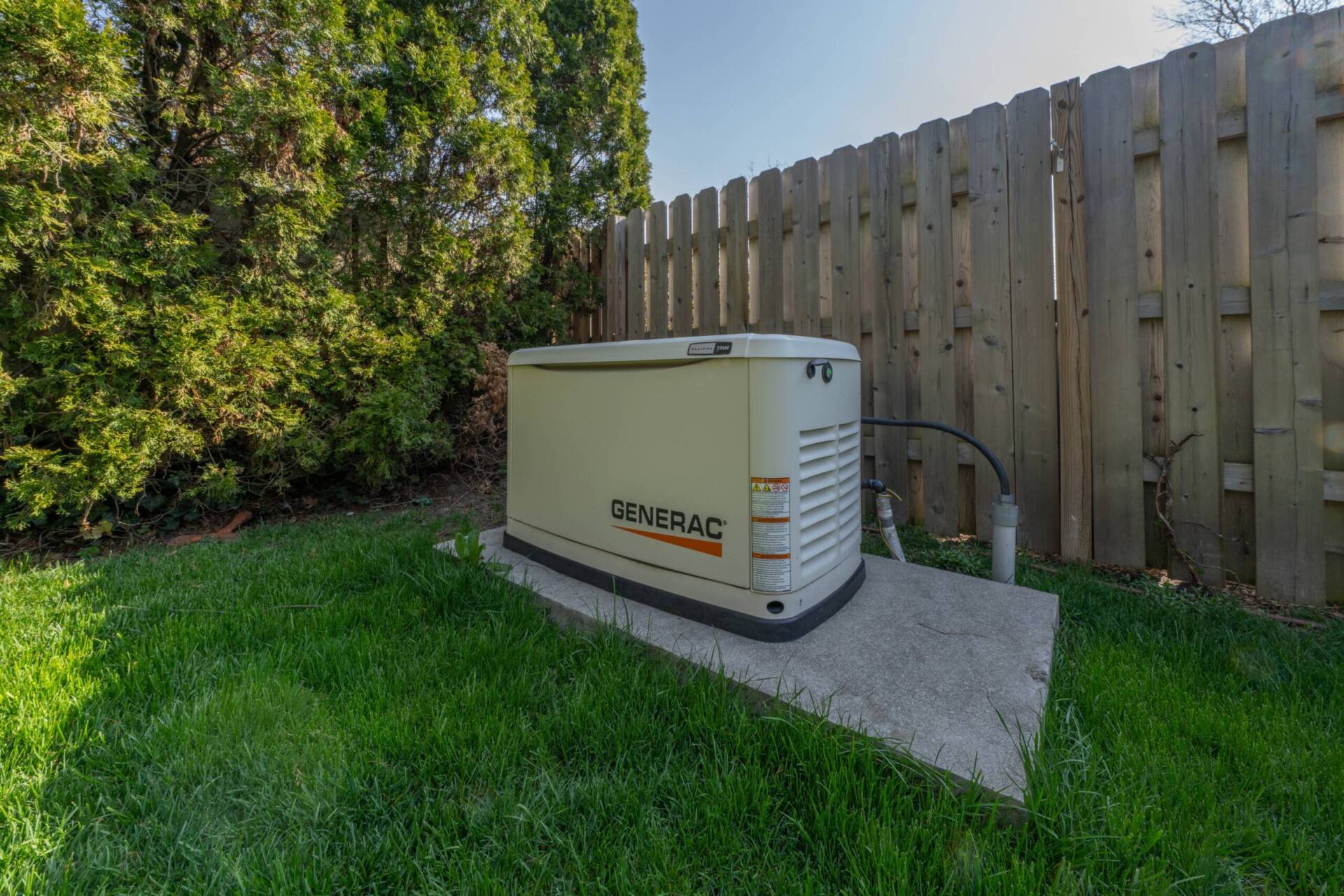
This generator runs on natural gas or propane, depending on your available power source. It mounts on a concrete pad next to your home.
Key features include:
- Remote monitoring through Mobile Link
- Weekly test mode with reduced engine speed
- Automatic voltage regulation
- Enclosed casing for quieter operation
You may need professional installation, depending on the layout of your electrical panel and local permit requirements.
Other Models in the Guardian Series
If your home’s load is lower or higher than average, consider other Guardian models. These include 18 kW, 24 kW, and 26 kW units.
Each version has different output, fuel use, and maintenance schedules. The right model depends on your specific requirements and expected load.
Larger systems may support pool pumps, electric ovens, or multiple HVAC zones. You may also want room for future upgrades.
Protector Series for Higher Loads
The Protector Series includes liquid-cooled generators with higher capacity. These are suitable for large homes with higher power demand.
Models range from 22 kW to over 60 kW. They support more appliances at once and come with additional features for long run times.
They also reduce the need for frequent oil changes and routine upkeep. This may help lower generator monthly maintenance costs over time.
What to Look for in a Generac Generator Model
When searching for a generator for your house, look for features that support performance and protect your home’s power during outages. Here are some of the features you should consider:
Automatic Transfer Switch
An automatic transfer switch keeps the system running without manual work. It detects outages and starts the generator within seconds.
This switch helps protect your home’s safety by restoring power quickly. You can continue using heating, cooling, and refrigeration without delay. It also directs power to either the full panel or specific circuits, depending on your electrical setup.
Mobile Monitoring Access
Most Generac generators include mobile access through the Mobile Link app. This feature allows you to check the system remotely.
You can check maintenance alerts, fuel levels, and runtime from your phone or computer. This keeps you informed and ready for service. Remote access also comes in handy during outages, especially if you’re not home.
Weekly Self-Test Mode
Each week, the generator runs a short self-test. This keeps internal parts ready for use and alerts you to issues early. The test uses low engine speed to reduce noise.
It also supports better long-term function by keeping internal fluids moving.
Load Management
Generac models often include advanced features like load management. This helps the system balance large loads across major appliances.
The generator starts appliances in a controlled order. That prevents overload and supports optimal performance during temporary power use. This feature helps power essential appliances like HVAC units, sump pumps, and water heaters without overworking the system.
Fuel Type Options for Your Generac Generator
Your generator’s fuel source affects performance, maintenance, and how long it can run during an outage.
Many homeowners choose natural gas. This option connects directly to your utility line and provides a continuous supply during outages. Natural gas doesn’t require refueling. You also avoid storing fuel on your property, which can simplify regular maintenance.
Propane is another common choice for residential standby generators. It’s stored in a tank, which may be placed above or below ground. Propane works well in homes without natural gas access. You’ll need to monitor fuel levels and schedule refills.
Diesel is less common in residential settings but may work for large properties or homes with higher power demand. These generators often require more frequent servicing to maintain performance. Stored diesel can also degrade if left unused for long periods.
Generac Generator Cost for a 3,000 Sq Ft House
The total costs involved in installing a Generac generator depend on several factors. These include equipment, fuel setup, labor, and ongoing maintenance.
The generator itself typically ranges from $3,500 to $7,000. Units with higher output or advanced features will raise the upfront cost.
Installation also adds to the overall cost. The price depends on the fuel source, panel location, and required permits. Some homes need extra prep work. That may include pouring a concrete pad, adding a transfer switch, or upgrading the electrical panel.
In most cases, the installation process brings the total cost to a range between $8,000 and $15,000.
Maintenance also affects overall value. Regular upkeep includes oil changes, filter replacements, and system checks performed once or twice per year.
Most homeowners spend between $200 and $400 annually on maintenance. Some choose a service plan to cover scheduled visits.
Need Help With Generator Sizing? Reach Out to W. Danley Electrical
When the power cuts out, your home shouldn’t grind to a halt. For a 3,000 square foot house, that means keeping HVAC systems, refrigerators, lights, and other daily essentials running without disruption.
A 15 to 22 kilowatt Generac generator can power your home during outages. Fuel type, setup, and upkeep affect performance and cost. A trusted installer can handle planning, permits, installation, and long-term service that suits your home’s layout.
W. Danley Electrical provides complete Generac generator installation for homes and businesses in New Jersey and the surrounding areas.
As a Generac Power Pro Premier Dealer, they manage:
- In-home consultations
- Generator selection and sizing
- Permit handling and inspections
- Fuel line and transfer switch installation
- Maintenance and remote monitoring setup
W. Danley has experience with small homes, large properties, and everything in between. They also install high-capacity units over 150 kilowatts. Whether you need whole-home coverage or help choosing a Generac model, their team can guide you from start to finish.
Looking for reliable backup power? Contact W. Danley Electrical for a custom Generac quote.
FAQs About a Generac Generator for a 3000 sq ft House
What size Generac generator do I need for a 3,000-square-foot home?
Most homes of this size require a generator between 15 and 22 kilowatts. This range supports major appliances and HVAC systems together. If you plan to run the entire home at once, aim for a unit closer to 22 kW. This adds extra capacity for high startup loads.
How much is a generator for a 3,000 sq ft house?
The total cost, including installation, usually falls between $8,000 and $15,000. Prices vary based on model, fuel type, and site setup. This cost includes the generator, transfer switch, labor, permits, and any needed upgrades to the electrical or fuel systems.
How many watts for a 3000 sq ft house?
A home of this size typically needs between 15,000 and 22,000 watts. Larger systems may need more if multiple HVAC units are used. List the appliances you want to run to get a closer estimate. A licensed electrician can provide a load calculation during a home visit.
What is the average cost of a Generac generator installed?
For a standard installation, most homeowners pay between $8,000 and $15,000. This includes equipment, labor, materials, and local permit work. Ongoing maintenance may cost $200 to $400 each year. Fuel costs will vary based on your energy source and usage levels.