Storm preparation starts before a warning is issued. For homeowners in Monroe Township and across Central New Jersey, a practical plan includes staying informed, preparing for a power outage, and deciding which household essentials need backup power.
Hurricanes, thunderstorms, tornadoes, and winter storms bring different hazards. This guide brings their shared power-outage planning needs together, with steps to consider throughout the year.
Prepare your household before the next storm
- Follow local forecasts and emergency alerts, and make sure everyone in your household knows how to receive updates if the internet or power goes out.
- Keep flashlights, charged power banks, drinking water, and other emergency supplies accessible. Plan for household members and pets who may need additional help.
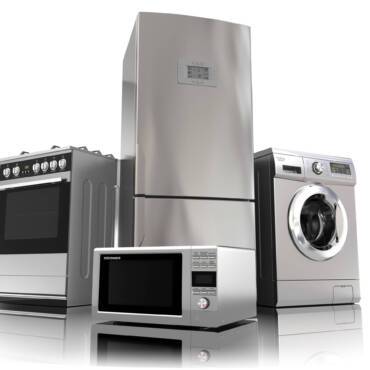
- Write down the equipment you want to keep running: refrigeration, selected lights and outlets, heating controls, or a sump pump. Include any essential equipment when discussing backup power with an installer.
- Know your utility’s outage-reporting process and keep important contacts available offline.
- If you already have a generator, review its operating instructions and maintenance schedule before severe weather is forecast.
Hurricanes and tropical storms
Tropical weather can bring strong winds, heavy rain, and flooding to New Jersey. Damage to trees and utility infrastructure can leave homes without electricity after the weather has passed.
Make preparations early, follow local evacuation instructions, and consider how an extended outage would affect your household. Backup power can support selected electrical loads, but it does not protect a building from flooding or wind damage and is not a reason to ignore evacuation orders.

Severe thunderstorms
Thunderstorms can bring lightning, heavy rainfall, hail, and damaging winds. Even a short storm can interrupt electrical service. Keep your outage supplies ready, check alerts, and identify the circuits that matter most if utility power is unavailable.
Tornadoes and damaging winds
Have a shelter plan before a warning. The National Weather Service recommends a basement or a small interior room on the lowest floor, away from windows. Follow official warnings immediately; checking or operating equipment should never delay taking shelter.
After the storm, avoid downed power lines and damaged electrical equipment. Wait until conditions are safe and have damaged systems assessed before using them.
Winter storms
Snow, ice, and freezing rain can damage trees and power lines while making travel difficult. Plan ahead for the electrical needs of your heating system and other essential equipment. A generator must be sized for the loads it will support; do not assume every appliance can run at once.
Schedule maintenance before winter and follow the manufacturer’s instructions for keeping the equipment and its ventilation clear. For seasonal maintenance planning, see our winter generator checklist for Central New Jersey homes.
Choosing backup power for your home
A home standby generator and transfer switch can restore power to selected circuits automatically when utility service is interrupted. The right system depends on your home’s electrical loads, available fuel, installation location, and budget.
Danley 911 Home Services can review these requirements during an in-home consultation, discuss whole-home or selected-circuit options, and explain installation and maintenance. Explore our backup generator options and installation process before arranging a consultation.
Use generators safely
Fuel-burning generators produce carbon monoxide. Never operate a portable generator inside a home, garage, or carport, or near doors, windows, or vents. Follow the manufacturer’s placement and operating instructions. Have a qualified professional plan a permanent installation and its transfer equipment; never connect a generator by plugging it into a household wall outlet.
For official guidance, read the CDC’s carbon monoxide precautions and the National Weather Service’s tornado safety guidance. Follow your local authorities’ instructions during an emergency.
Plan ahead with Danley 911 Home Services
Preparing now gives you time to discuss your needs and arrange installation or maintenance before an outage. Contact our team to talk through backup power for your Central New Jersey home.