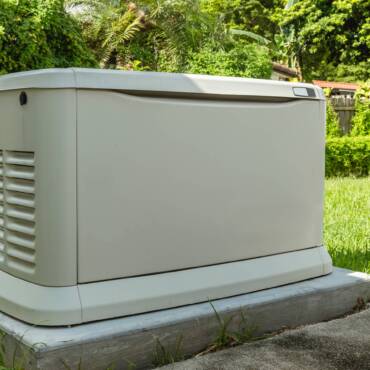

Cold weather changes how a standby generator works. Batteries lose strength, oil thickens, and snow can pile up around the unit. Winter outages also tend to last longer, because ice and heavy snow bring down lines across whole neighborhoods. When the power goes out in January, your generator has to start on the first try. The time to get it ready is now, not after the first freeze.
This guide shows homeowners in Monroe Township and Central New Jersey how to prepare your generator for winter while the weather is still mild. It focuses on the cold-weather checks that matter most. For general upkeep such as oil changes, air filters, and spark plugs, see our home generator maintenance tips.
Why winter is hard on a standby generator
A standby generator sits outside all year. It waits for days or weeks, then has to carry your home at a moment’s notice. Summer outages are often short. Winter outages can stretch on, and the generator may run for many hours at a time in freezing weather.
Cold puts extra strain on three parts of the system. The battery has less cranking power. The oil flows more slowly on a cold start. The fuel supply can be blocked or run low just when you need it most. A little preparation in the fall addresses all three.
7 checks to prepare your generator for winter now
Some of these checks you can do from your driveway. Others belong to a trained technician. Leave anything inside the enclosure, the transfer switch, or the electrical panel to a professional.

1. Book a service visit before December
A pre-winter visit is the most useful thing you can do for your generator. A technician can inspect the engine, test the battery, check the transfer switch, and look for worn parts while the weather is still mild. Scheduling early also means you are not waiting in line after the first storm.
Danley offers Generac generator maintenance for homes across the region. If your unit already shows a problem, ask about Generac generator repair during the same visit.
2. Test the battery before the cold does
The battery is the most common reason a standby generator fails to start. Cold weather reduces how much power a battery can deliver. A battery that worked fine in September can struggle in January.
Ask your technician to load test the battery and clean the terminals. Many batteries need replacement every few years, so note the install date. If your generator shows a low battery warning, address it before winter arrives.
3. Use oil that suits cold starts
Oil thickens as the temperature drops. Thick oil makes the engine work harder to turn over and takes longer to protect moving parts. Your owner’s manual lists the oil type and grade for your model and climate. Many air-cooled standby models call for a synthetic oil that flows well in the cold.
If your last oil change was months ago, plan for one before winter. Fresh oil of the right grade gives the engine its best chance on a frozen morning.
4. Ask about a cold weather kit
Many generator manufacturers offer accessories for cold climates. These may include a battery warmer, an oil warmer, or an engine block heater. Each one keeps a key part warm enough to start reliably when temperatures drop.
Not every home needs a kit. Your technician can tell you whether your model supports one and whether it makes sense for your location.
5. Check your fuel supply
Most standby generators in our area run on natural gas or propane. Each fuel has its own winter concern.
- Natural gas: keep the gas meter and regulator clear of snow and ice. Never chip ice off the meter yourself. Call your gas utility if it is encased.
- Propane: check the tank gauge now. A long outage can use a lot of fuel. Schedule a delivery before the tank runs low, since deliveries slow down after a storm.
If you have questions about the gas piping that feeds your generator, Danley also handles gas line repair.
6. Watch the weekly exercise cycle
Most standby generators run a short self-test on a set schedule. This exercise cycle keeps the engine lubricated and lets the system report problems. Make a habit of watching or listening for it once a month this fall.
Look at the control panel after the cycle runs. A green or ready light usually means the system is set to start automatically. A warning light or error code means it is time to call for Generac service.
7. Keep snow, ice, and leaves away from the unit
Your generator needs clear airflow to run and to cool itself. Fall leaves can collect against the enclosure. Snow can drift over the air intake and the exhaust. Plan to clear the area after every snowfall, even when the power is on.
Keep the space around the unit free of stored items, firewood, and plants. Never cover the generator with a tarp. Follow the clearances in your installation manual.
Make sure your generator covers your winter loads
Your needs in winter are not the same as in summer. A generator sized and wired for air conditioning may not cover the equipment that matters most in the cold. Review what your system powers before you rely on it.
Heating equipment
Gas furnaces and boilers still need electricity to run blowers, pumps, and controls. Heat pumps draw much more. Confirm that your heating system is on a circuit the generator supports. Pair your generator check with a heating tune-up so both systems are ready together. Danley’s fall heating inspection special is a good place to start.
Sump pumps and well pumps
Snowmelt and winter rain can push water into basements. A sump pump without power cannot protect your home. Homes on a well also need power to keep water flowing. Make sure both pumps are on the generator. If your sump pump is aging, consider sump pump replacement before the wet season.
New equipment since your install
Many homeowners add equipment over the years. An EV charger, a new heat pump, or a finished basement can change your electrical load. If your home has grown since your generator went in, ask whether your transfer switch and panel still match. Danley handles electrical panel and service upgrades when the system needs more capacity.
Power returning after an outage can bring surges. Our whole home surge protection offer helps protect electronics and appliances when the grid comes back online.
Winter generator safety for your household
Generators produce carbon monoxide. You cannot see or smell it. A permanently installed standby unit sits outdoors for this reason, and it must stay clear of snow so exhaust can escape.
If you also own a portable generator, never run it in a garage, basement, porch, or any enclosed space. Keep it well away from doors, windows, and vents. Follow the manufacturer’s instructions every time.
Every home with a generator should have working carbon monoxide alarms. Test them when you test your smoke alarms. Danley offers smoke and carbon monoxide detector installation if your home needs new or additional alarms.
Your winter generator checklist
Use this short list to track your progress before the first freeze.
- Schedule a pre-winter generator service visit.
- Have the battery load tested and note its age.
- Confirm the oil grade and change it if due.
- Ask whether a cold weather kit fits your model.
- Check the propane level or clear the gas meter area.
- Watch the exercise cycle and check for warning lights.
- Clear leaves, snow, and stored items from around the unit.
- Confirm your heating system and pumps are on generator power.
- Test your carbon monoxide alarms.
Winter generator prep FAQs
How often should a standby generator be serviced?
Most manufacturers recommend professional service at least once a year, or after a set number of run hours. Homes that see long outages may need service more often. A visit in the fall prepares the unit for the season when it is most likely to run for extended periods.
Can my generator run during a snowstorm?
Yes. Standby generators are built to run outdoors in winter weather. The key is keeping the air intake and exhaust clear. Check the unit during long storms and clear snow when it is safe to do so.
Why will my generator not start in cold weather?
A weak battery is the most common cause. Thick oil, a blocked fuel supply, or an active alarm can also stop a start. Check the control panel for a warning code, then call a technician. Our team provides emergency generator service in New Jersey when you need help fast.
Is it too late to install a generator before winter?
Not always. Installation timelines depend on permits, utility approvals, and equipment availability. Start the conversation early. Learn more about standby generator installation or read about living with a permanent house generator. Ask about financing options if you are planning a new system.
Do not let winter catch your generator off guard
A few checks now can keep your heat, lights, and pumps running when the grid goes down. Danley 911 Home Services provides generator maintenance, repair, and installation for homes in Monroe Township, Manalapan, Marlboro, and across Central New Jersey. Members of our Preferred Partner Plan can keep their heating and plumbing on a regular care schedule, too.
For more seasonal tips, see our fall electrical safety checklist.
Contact Danley or call (732) 432-0164 to schedule your fall generator service visit before the cold sets in.